Fulfillment in logistics

Fulfilment refers to all processes that are necessary for the fulfilment of an order fulfilment - from goods receipt, inventory management, picking and packing to dispatch to the end customer and returns processing. Companies benefit from structured processes that reduce both costs and errors while ensuring higher service quality.

Efficient process control is a key success factor for modern order fulfilment. The combination of advanced warehouse management systems (WMS), IT-supported inventory management and automation ensures optimised order fulfilment, which reduces storage costs and enables individual customer requirements to be met flexibly and different industries to be served.


Why optimised fulfillment is crucial:

  • Faster order processing thanks to automated processes
  • Lower storage costs thanks to optimised inventory management
  • Seamless IT integration with ERP and e-commerce platforms
  • Flexibility for seasonal order fluctuations
  • Shorter delivery times thanks to optimised shipping processes
017-gs-251021-bildmaterial-website-IT-integration

IT-integration and warehouse management

Seamless IT integration is crucial for efficient omnichannel fulfilment, in which orders are processed synchronously across different sales channels.

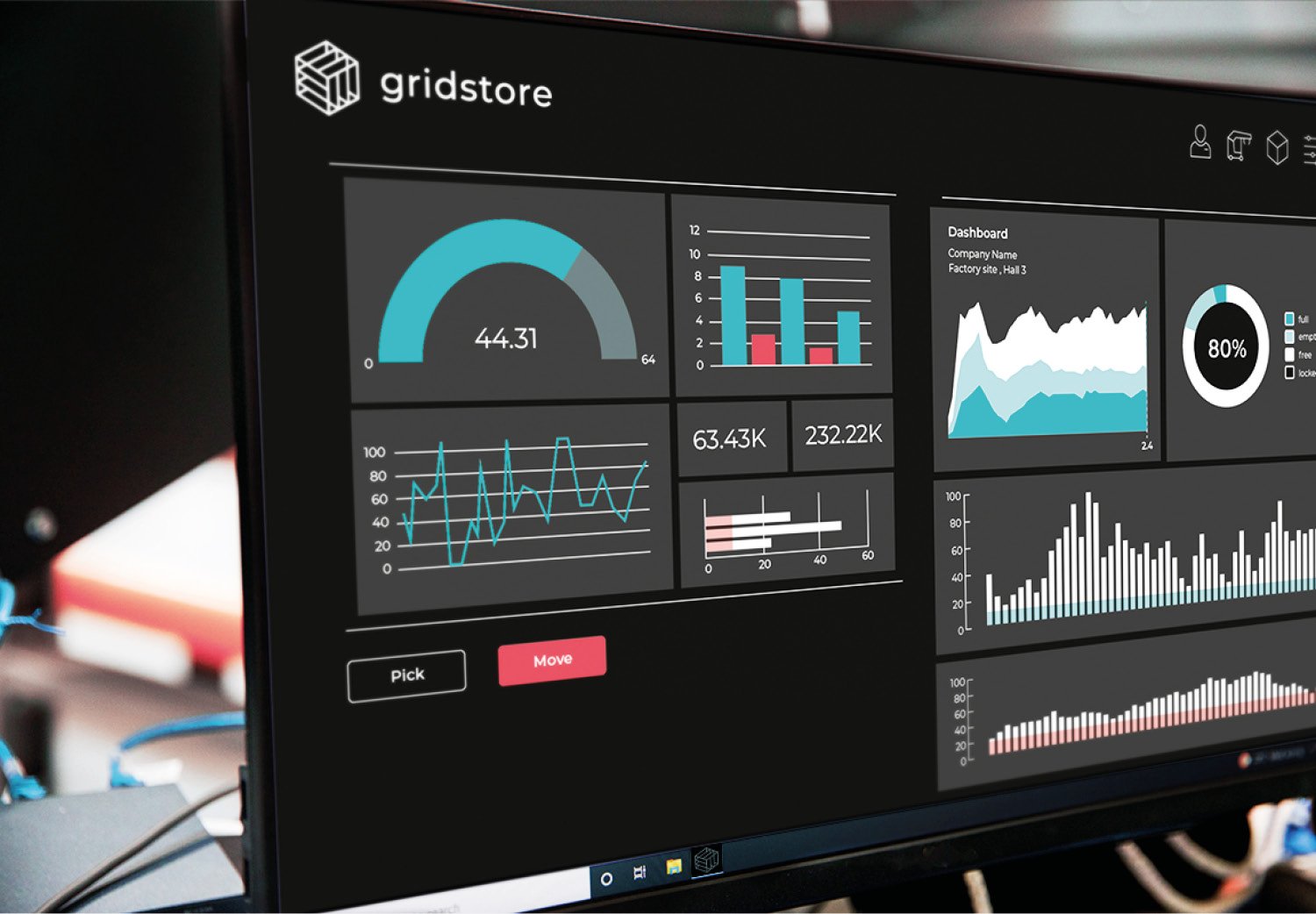
Modern warehouse management systems (WMS) such as Gridstore-Basic ensure real-time inventory management and optimise all warehouse processes.

Thanks to the direct connection to ERP systems, e-commerce platforms and multi-carrier management tools, inventory data is synchronised, orders are processed automatically and errors are minimised.

In addition, intelligent storage techniques, such as chaotic storage and zone-based storage strategies, enable maximum space utilisation and shorter access times.

Key function of an IT-supported fulfillment solution:

  • Direct connection to shipping service providers for smooth delivery
  • Real-time inventory control to avoid bottlenecks
  • Optimised storage space usage through intelligent strategies
  • Dynamic inventory management to adapt to changes in demand
  • Automated reordering for continuous product availability
  • Support for continuous stocktaking through inventory data and auromated counting processes
cta-gridstore-2

Optimise your fulfillment

Increase the efficiency of your warehouse and shipping processes with an automated fulfilment solution.
gs-240321-bildmaterial-website-3

Fast and precise order picking

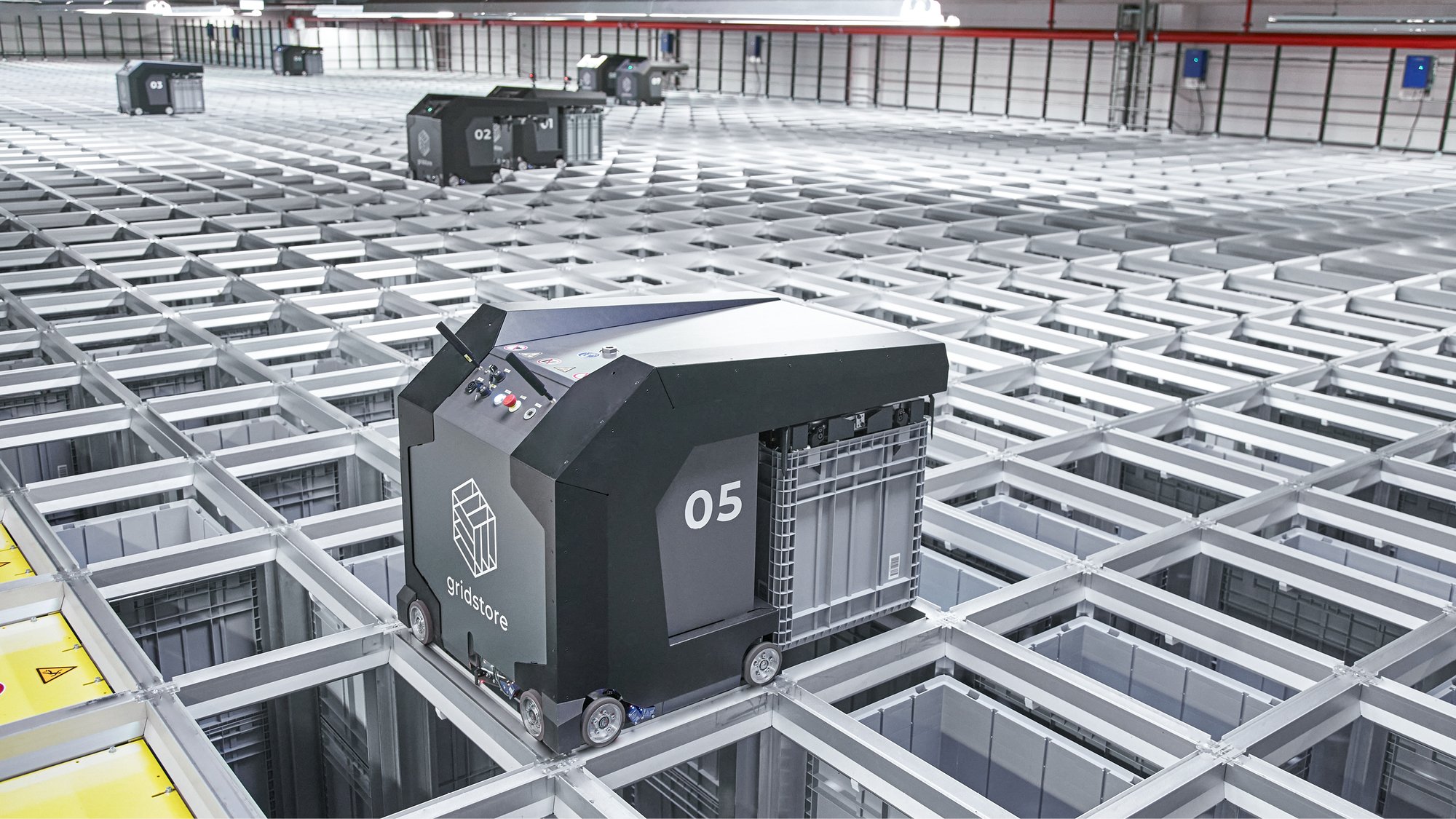
High picking accuracy and short throughput times are crucial for efficient order fulfilment in order to process customer orders quickly and without errors, while the Ace robot ensures a continuous material flow in the Gridstore system and optimises the entire picking process.


Processes can be further accelerated by using pick-by-light, voice picking and multi-order picking. Intelligent routing algorithms calculate the most efficient order processing sequence to minimise waiting times. Batch picking also enables several orders to be processed in parallel and ensures greater efficiency.

Important components of order picking:

  • Possibility of pick-by-light & voice picking for error-free removal
  • Batch picking & multi-order picking for parallel order processing
  • Automated bin provision for shorter picking times
  • Optimised routing thanks to intelligent control

Efficient returns management

Structured returns management makes a significant contribution to customer satisfaction and efficiency in the warehouse. Fast and automated processing of returns ensures that goods are immediately reintegrated into the stock (made available) or can be further processed.

By using intelligent inspection stations, the quality of returned products can be automatically recorded and assessed. This optimises re-provisioning processes and avoids unnecessary disposal. Returns are integrated directly into the inventory and order management system so that stock levels are always up to date and new orders can be processed immediately and reliably.

Optimised processes for returns management:

  • Fast availability of returned goods
  • Automated testing and sorting processes to reduce manual intervention
  • Seamless integration into inventory management
  • Re-provising of goods to reduce costs
gs-230421-bildmaterial-website33

Flexibility and scalability in fulfillment

An efficient omnichannel fulfilment system must be able to react flexibly to fluctuating order volumes, especially during seasonal peaks and special promotions. Companies with scalable infrastructures and dynamic personnel resources can manage order peaks efficiently and avoid bottlenecks in order processing.

Modern automated logistics solutions enable dynamic adaptation to short-term changes in demand. The modular design of logistics systems using autonomous picking robots allows the performance of a fulfilment centre to be increased at short notice without the need for extensive restructuring.


How fulfillment systems can react flexibly to fluctuations in demand:

  • Dynamic scalability of storage and picking capacities with increasing order volumes
  • Automated resource management for flexible customisation of warehouse robots and picking systems
  • Integration of cloud-based warehouse management systems to quickly incorporate additional locations into the logistics processes
  • Optimisation of warehouse processes through adaptive software solutions for controlling stock levels and order picking

gs-230421-bildmaterial-website23

Automation and the use of technology in fulfillment logistics

The automation of warehouse and shipping processes is a key success factor for modern fulfilment. The use of robotics, conveyor technology and IoT applications can reduce manual activities, increase process speeds and minimise sources of error.

Robots take over transport tasks within the warehouse and optimise bin provision at work stations. One example of this is the Gridstore robot Ace, which transports bins independently within the Gridstore system, ensuring efficient storage/retrieval and provision.

Automatic conveyor belts ensure a continuous flow of goods, while IoT-based systems enable real-time monitoring. This increases process reliability and minimises manual intervention.

Key functions of modern automation solutions in fulfillment:

  • Robots for automated bin transport and order picking
  • Conveyer belts and sorting technology for fast goods movements within the warehouse
  • IoT-supported real-time monotoring for precise control of warehouse movements
  • Intelligent warehouse management systems (WMS) for the automation of inventory management 
  • Flexible system architecture to adapt to fluctuations
gridstore-robotics-software-interface-3

Transport and dispatch management

Efficient transport and dispatch management is essential for fast, cost-effective and reliable order processing. Shipping has a significant impact on delivery times, cost structure and customer satisfaction.

Modern multi-carrier management systems automatically select the appropriate shipping service provider. Criteria such as price, delivery time or destination are taken into account. This allows shipping costs to be reduced and deliveries to be distributed flexibly between different providers. At the same time, track-and-trace technologies ensure seamless shipment tracking, providing both the company and the end customer with complete transparency about the delivery status.

By using intelligent shipping automation systems, companies can make their processes more efficient and react flexibly to fluctuating shipping volumes. Automated label creation, shipping consolidation and integration into existing warehouse management systems (WMS) help to optimise shipping speed.

Optimisation of shipping processes through intelligent control:

  • Multi-carrier-management:
    Automatic selection of the most cost-effective and fastest shipping service provider based on destination, parcel weight and transit time
  • Track and trace technologies:
    Real-time tracking of shipments and automatic status reports to customers
  • Shipping consolidation:
    Bundling multiple orders for the same recipient to reduce shipping costs
  • Automatic label creation:
    Generation of shipping labels directly from the fulfillment system
  • Integration with warehouse management systems:
    Control of outgoing goods in coordination with picking and packing
  • Dynamic route optimisation:
    Adjustment of transport routes in real time to minimise delivery times

In addition to direct shipment tracking, companies benefit from improved planning and data analysis. By evaluating shipping times, return rates and delivery problems, further optimisation potential in transport management can be derived. More about logistics integration and automated control:

gridstore-robotics-arbeitsplatz-orbit

Security and quality controls i fulfillment

Quality and security checks play a central role in fulfilment, as errors in order picking, damage during shipping or theft can cause high costs and have a negative impact on customer satisfaction. To minimise these risks, warehouse and shipping processes must be mapped with comprehensive security measures and control mechanisms.

The use of modern automated inspection stations, AI-supported image processing and real-time tracking technologies enables quality standards to be reliably met. Regular quality controls also guarantee that customers only receive flawless goods. At the same time, security mechanisms such as access controls, video surveillance and real-time article surveillance systems prevent theft or unauthorised access.

Important measures for safety and quality control:

  • Barcode scanning & RFID tracking:

    Seamless identification and traceability of every product along the entire supply chain

  • Automated weight checks:
    Comparison of parcel weight and expected freight to avoid incorrect loading
  • Regular quality checks:
    Spot checks and automated checks to ensure compliance with customer requirements and quality standards
  • Theft prevention:
    Implementation of security measures such as video surveillance, access controls and sensor monitoring for high-priced goods
  • Parcel locking systems:
    Ensure that parcels cannot be processed further until they have been fully checked
  • Logged test processes:
    Documentation of every quality control for complete traceability
  • Temperature monitoring for sensitive goods:
    Real-time tracking for cold chain compliance in food or pharmaceutical logistics
  • Visual quality checks:
    AI-supported image processing systems identify damaged goods before dispatch

These measures can significantly reduce error rates, return rates and losses due to damage or theft. More about quality assurance in warehouse logistics:

Frequently asked questions about fulfillment


What is fulfillment?

Fulfilment covers the entire process from storage, picking, packing and shipping through to returns processing. It ensures that orders reach the customer efficiently and without faults.

  • Storage of goods: Storage of products in a fulfilment centre
  • Order picking & packing: Selection of articles, secure packaging & labelling
  • Shipping & logistics: Selection of the optimal shipping service provider, Track & Trace
  • Returns management: Processing of returns & re-provisioning of goods
  • IT integration: Connection to e-commerce systems (Shopify, Amazon, ERP systems)
  • Customised additional services: Gift packaging, individualised shipping solutions


What is the difference between fulfillment, order fulfillment and omnichannel fulfillment?

Fulfilment is the generic term for all logistics processes. Order fulfilment describes the processing of individual orders - from order entry to delivery. Omnichannel fulfilment integrates various sales channels such as online stores, shops and marketplaces so that orders can be processed flexibly and returns can be handled across all channels.


How much does fulfillment cost?

The cost of fulfilment depends on several factors, including:

  • Storage costs: Depending on the number of items and the storage period
  • Order picking & packing: Charged per order or per item
  • Shipping costs: Vary depending on shipping service provider, weight and destination region
  • Additional services: Returns processing, customised packaging or express shipping

Fulfilment providers usually charge a basic fee plus variable costs per order. Automated systems reduce operating costs in the long term.


Who needs fulfillment?

Fulfilment is ideal for e-commerce retailers, wholesalers and companies that want to outsource storage, picking, packing and shipping. It is particularly suitable for online shops, marketplace retailers, subscription boxes, dropshipping providers and omnichannel retailers that require efficient logistics.

But fulfilment is also becoming increasingly important for production connections in the manufacturing industry or spare parts logistics and offers companies the opportunity to differentiate themselves from their competitors in terms of customer service.


Let's get in touch:

gs-230421-bildmaterial-website23